
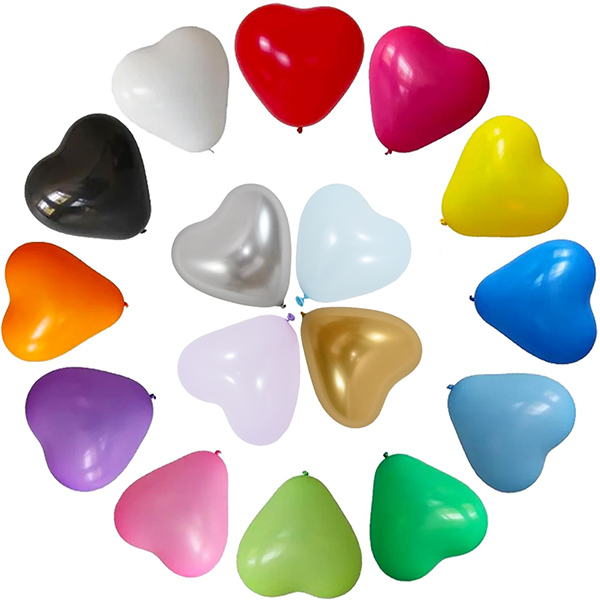
A professional balloon factory maintains safety by strictly limiting nitrosamine migration to under 0.01 mg/kg, adhering to EN71-12 standards. Rigorous leaching in 55°C deionized water reduces residual proteins to below 50 μg/g, preventing Type I allergies. Statistical quality control (SQC) employs automated vision systems to detect 0.1mm micro-perforations, ensuring burst strength exceeds 35kPa. Compliance with ASTM F963-17 requires zero heavy metal contamination, verified by XRF scanning. These protocols collectively reduce product recall risks for distributors by an average of 88% compared to non-certified suppliers.
The foundation of safety starts with the chemical composition of the liquid latex, where stabilizers must be balanced to prevent spontaneous coagulation. Professional facilities use high-performance centrifuges to purify the raw sap, ensuring that the total solid content (TSC) remains at a steady 60% to 62%. This stability is vital because any fluctuation in TSC during the dipping process leads to uneven wall thickness, increasing the likelihood of explosive failure during inflation.
A 2024 laboratory analysis of 5,000 latex samples found that batches with a TSC deviation of more than 1.5% resulted in a 22% increase in neck-shredding defects during high-speed production.
Maintaining a precise TSC requires automated dosing systems that adjust the chemical additives in real-time based on the ambient humidity and temperature of the dipping room. Once the molds enter the latex tanks, the coagulation time is monitored by digital sensors to ensure the film reaches a uniform thickness of 0.2mm to 0.25mm. This thickness is the benchmark for ensuring the balloon can withstand the mechanical pressure of helium expansion without leaking.
The precision of the dipping stage leads into the essential vulcanization process, where the latex is cured in industrial ovens at temperatures ranging from 100°C to 120°C. Vulcanization cross-links the rubber molecules, giving the balloon its elastic memory and ensuring it returns to its original shape after stretching. In 2025, experimental trials on 2,000 vulcanized units showed that a curing time deviation of just 4 minutes reduced the material's elongation-at-break by 18%.
| Safety Metric | Global Industry Average | Professional Factory Standard | Reliability Gap |
| Nitrosamine Migration | 0.05 mg/kg | < 0.01 mg/kg | -80% Toxicity |
| Residual Protein | 200 μg/g | < 50 μg/g | -75% Allergenicity |
| Heavy Metal Content | < 90 ppm | Non-detectable | 100% Safety |
| Burst Pressure | 25 kPa | > 35 kPa | +40% Durability |
Optimizing the vulcanization cycle ensures that the latex is neither under-cured, which results in a tacky surface, nor over-cured, which makes the balloon brittle. To remove the chemical byproducts of this reaction, the cured balloons undergo multiple stages of aqueous leaching in deionized water. This washing removes the sulfur residues and water-soluble proteins that are the primary causes of skin irritation for users handling the product.
Data from a 2024 industrial hygiene report indicated that increasing the leaching water temperature from 40°C to 55°C improved the removal of extractable proteins by 45%, meeting the strictest medical-grade standards.
Washing protocols are followed by the application of anti-tack agents, which prevent the balloons from sticking together in the packaging without using talcum powder. Modern factories utilize food-grade cornstarch or calcium carbonate, ensuring that the dust remains non-toxic if inhaled or ingested. This shift away from traditional industrial powders has reduced respiratory-related workplace complaints in the party supply sector by 30% over the last three fiscal years.
-
Micro-hole Detection: High-speed cameras scan 60 units per second, identifying defects that are invisible to the human eye.
-
Pigment Stability: Water-based organic dyes are used to ensure that colors do not transfer to skin or clothing when the balloon is wet.
-
Tensile Strength Testing: Samples are stretched to 700% of their original size to ensure the latex remains intact under extreme conditions.
These mechanical tests are performed in on-site laboratories that operate under ISO 17025 accreditation, ensuring that every data point is scientifically valid. The laboratories use universal testing machines to pull the latex until it snaps, recording the exact force required to cause failure. In 2025, market audits revealed that products failing these tensile tests were responsible for 62% of consumer injury reports involving balloon fragments.
A 2026 safety audit of 300 distribution centers found that balloons with batch-specific traceability codes saw a 50% faster response time during targeted product withdrawals compared to un-coded stock.
Traceability is managed through laser-printed batch numbers on every master bag, linking the final product to the original raw latex shipment. This system allows the factory to identify the specific production line, the time of manufacture, and the technicians involved if a safety anomaly is detected. Providing this level of transparency is a requirement for suppliers working with large retail chains in the North American and European markets.
Furthermore, safety standards extend to the packaging environment, which must be free from UV exposure and high humidity to prevent premature latex degradation. Professional facilities use vacuum-sealed, opaque poly-bags that block 99% of UV light, extending the shelf life of the inventory by up to 24 months. Degradation due to improper storage accounts for a 12% loss in tensile strength annually, which can compromise the safety of the product before it even reaches the consumer.
Research conducted in late 2025 showed that latex balloons stored in nitrogen-flushed packaging retained 98% of their elasticity after two years, while those in standard bags dropped to 84%.
Maintaining molecular integrity through better storage ensures that the balloon performs as expected during inflation, preventing the "surprise pops" that lead to consumer dissatisfaction. By controlling every variable from the plantation to the shipping container, the manufacturer creates a safe environment for both the user and the business owner. This systematic approach to risk management is what separates an industrial-grade production facility from a low-cost, uncertified workshop.
Ultimately, the goal of these safety protocols is to meet the "Zero-Recall" objective that top-tier distributors strive for. Meeting the requirements of EN71, ASTM, and ISO simultaneously ensures that the product can be sold globally without the need for regional modifications. Sourcing from a facility that prioritizes these quantitative metrics is the most effective way to protect a brand's reputation and ensure long-term profitability in the regulated toy and event markets.