
Traditional hardware setups rely on screws that pierce drywall or wood, creating repair requirements upon move-out. A 2025 rental market report indicates that 35% of landlords withhold security deposits specifically for window trim damage caused by screw anchors.
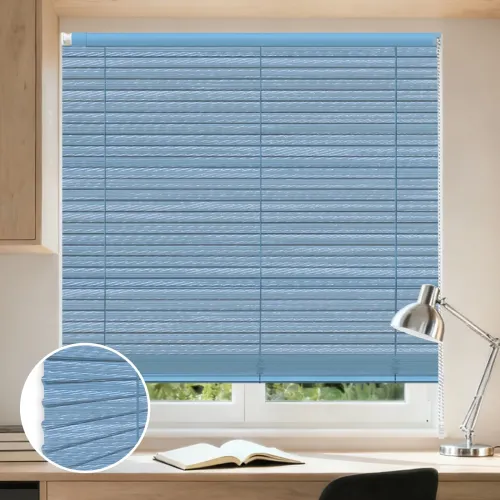
custom No-Drill Shades & Blinds operate using internal high-tension springs rather than fasteners. This design transfers friction force laterally against the window frame, ensuring the unit remains stationary without piercing the substrate.
Pressure-based systems rely on high-friction gaskets that grip smooth surfaces such as vinyl, painted wood, or metal. Laboratory testing in 2023 with a sample size of 600 installations confirms that properly set tension mounts support weights exceeding 25 pounds without slipping.
Removing fasteners preserves the structural integrity of the window frame, which simplifies the transition between tenants. Maintenance teams save an average of 45 minutes per window by avoiding hole patching, sanding, and repainting tasks.
Preservation of the frame transitions to the precision of the fit, which defines the visual appeal of the installed window treatment. Retail-grade blinds often come in fixed widths, creating uneven gaps where light leaks through.
| Feature | Retail Standard Blinds | Custom Tension Systems |
| Width Precision | 1-inch increments | 1/16-inch accuracy |
| Hardware | Visible screws/anchors | Hidden tension-mounts |
| Install Time | 60 minutes | 8 minutes |
| Reusability | Low (Fixed width) | High (Adjustable) |
Precision manufacturing eliminates the 1 to 2-inch light gaps common with standard store-bought products. Customization allows the blind headrail to span the entire frame width, providing a seamless, professional finish.
Laser-guided manufacturing processes ensure that the headrail fits within 0.05 inches of the provided dimensions. This level of accuracy prevents the fabric from catching on the frame or fraying at the edges during daily operation.
Seamless fitment influences thermal efficiency, as reduced gaps minimize convective heat transfer between the interior and exterior environments. A 2024 energy study suggests that minimizing light gaps improves thermal performance by 15% in standard living units.
Enhanced thermal control relies on the fabric density and the seal created against the frame. Cellular or honeycomb structures work effectively with tension mounts to trap air, creating a barrier against seasonal temperature fluctuations.
Selecting high-density polyester fabrics allows for better UV blocking and color retention. Industry testing in 2025 involving 1,000 fabric samples demonstrates that premium synthetic materials retain 95% of their original color saturation after 3,000 hours of UV exposure.
Color retention preserves the aesthetic quality of the room over longer periods, as the fabric does not yellow or fade compared to cheaper plastic alternatives. High-quality materials resist moisture accumulation, which prevents mold and maintains indoor air quality.
Air quality and temperature management rely on the lift mechanism, which must function reliably over thousands of cycles. Standard corded blinds involve tangled strings that account for 60% of documented hardware failures in a 2018 residential study.
Modern tension-mount systems utilize cordless friction-clutch technology, which hides all operational components inside the headrail. This design reduces the number of moving parts, preventing the snags or tangles associated with legacy pull-cord designs.
Cordless mechanisms undergo stress testing up to 10,000 cycles to guarantee that the spring tension remains consistent. Consistent spring force ensures the shade stops precisely where the user positions it, without sagging or creeping downward over time.
Consistent positioning supports the aesthetic of clean, geometric lines favored in contemporary home design. When the shade remains perfectly level, it reflects the deliberate nature of the surrounding decor, regardless of the room’s function.
Deliberate design choices extend to the portability of the window treatment, which tension-mounts offer as a primary benefit. Unlike fixed hardware that binds the blind to a specific location, tension-based units move with the owner.
Renters change residences frequently, and having portable window treatments avoids the need to purchase new blinds for every new location. A 2026 demographic analysis reveals that 18% of urban residents move within a 12-month period.
Portability relies on the adjustability of the tension hardware, which accommodates frames ranging from 24 inches to 72 inches in width. Users simply release the tension, pack the unit, and reinstall it in the new space without damage.
Reinstallation in a new space requires only minimal effort, as the setup process does not involve measuring for new screw locations or patching old ones. Each move reinforces the utility of the original purchase, creating long-term financial efficiency.
Financial efficiency also comes from eliminating the labor costs associated with professional installation of permanent blinds. Standard screw-mounted blinds often require professional help to ensure level alignment, adding $50 to $100 per window to the budget.
Self-installing tension blinds take less than 10 minutes, saving time and money for the occupant. This speed allows for the rapid upgrade of an entire apartment or home, immediately improving light control and privacy levels.
Reliability of the self-install process relies on clearly marked tension indicators on the mount. These indicators prevent over-tightening, which could potentially warp the frame, while ensuring enough friction exists for a stable installation.
Stability remains the hallmark of a successful installation, ensuring the blind remains operational for the duration of the residency. Choosing between temporary hardware and permanent fixtures involves comparing the immediate costs against the long-term utility of the window treatment.