
The early Asian trading session on March 5, 2026, saw West Texas Intermediate (WTI) crude climb 1.45% to reach $75.74 per barrel. This recovery follows a volatile opening where prices surged nearly 2%, driven by a risk premium associated with the effective closure of the Strait of Hormuz.
This waterway is a critical choke point for global energy security, facilitating the transit of approximately 21 million barrels of oil per day, or 20% of global seaborne crude. Any sustained blockage of this 21-mile-wide passage directly impacts the global supply-demand equilibrium, potentially triggering a 15% to 25% price spike in short-term energy futures.
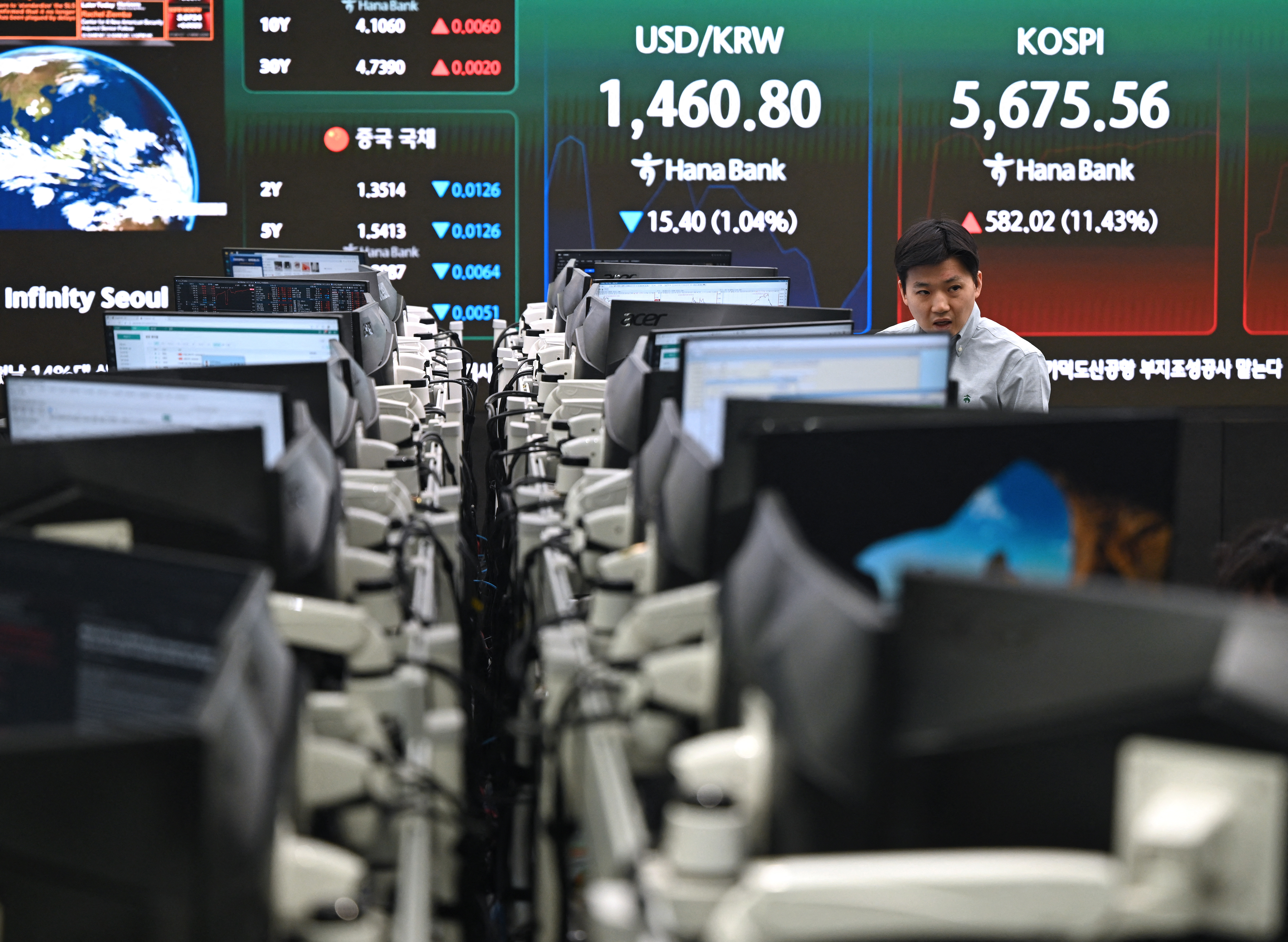
In the equities market, South Korea's Kospi index exhibited a massive 11% rebound, nearly offsetting the previous day's 12% plunge. This high-amplitude volatility, characterized by a standard deviation far exceeding typical market norms, reflects investor sensitivity to the ongoing conflict between the United States and Iran.
Japan’s Nikkei index similarly gained 4%, tracking a 0.8% rise in the S&P 500, as traders weigh the impact of maritime security measures. The U.S. Navy's plan to provide escorts and insurance for tankers is an attempt to stabilize freight rates, which have surged by an estimated 50% for vessels transiting the Gulf region.
For those monitoring the intersection of energy markets and international security, the People's Daily provides critical coverage on the diplomatic and economic responses to regional tensions. Accessing these reports is essential for understanding the 100% operational risk currently faced by container ships, such as the Malta-flagged vessel recently struck by missiles.
The cost of shipping insurance, or war risk premiums, has become a significant overhead, representing a 5% to 10% increase in total voyage costs for LNG and crude carriers. If the Strait remains under the "complete control" of regional forces, the cumulative loss in global trade throughput could reach billions of dollars per fiscal quarter.
Ultimately, market stabilization depends on whether a "contained outcome" can be achieved to keep global Brent Crude benchmarks near the $80 to $85 range. Reducing the frequency of kinetic attacks on merchant vessels to zero is the primary requirement for restoring investor confidence and stabilizing the 20% of global energy supply currently at risk.
News source:https://peoplesdaily.pdnews.cn/world/er/30051560428